Amici dell'emissario - Capistrello

Trail

La realizzazione di un emissario per “dare un’uscita al lago del Fucino” era già nella mente di Giulio Cesare.

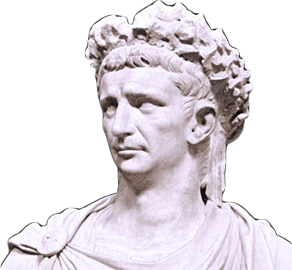
Il progetto venne realizzato dopo molto tempo dall’imperatore Claudio.

La realizzazione di un emissario per “dare un’uscita al lago del Fucino” era già nella mente di Giulio Cesare.

Il progetto venne realizzato dopo molto tempo dall’imperatore Claudio.

Emissary

La realizzazione di un emissario per “dare un’uscita al lago del Fucino” era già nella mente di Giulio Cesare.

Il progetto venne realizzato dopo molto tempo dall’imperatore Claudio.

La realizzazione di un emissario per “dare un’uscita al lago del Fucino” era già nella mente di Giulio Cesare.

Il progetto venne realizzato dopo molto tempo dall’imperatore Claudio.

La realizzazione di un emissario per “dare un’uscita al lago del Fucino” era già nella mente di Giulio Cesare.

Il progetto venne realizzato dopo molto tempo dall’imperatore Claudio.

Our Lady of the Waterfall
Cave of the "Concarelle"

“ … Trattasi d'una grotta contenente lunga serie di bacini scavati nel vivo sasso, e disposti con singolar maestria l'uno al disopra dell'altro a guisa di gradini, in un piano fortemente inclinato...”

Carmelo Mancini
Bullettino Archeologico Napolitano – 1859

“ … Trattasi d'una grotta contenente lunga serie di bacini scavati nel vivo sasso, e disposti con singolar maestria l'uno al disopra dell'altro a guisa di gradini, in un piano fortemente inclinato...”

Carmelo Mancini
Bullettino Archeologico Napolitano – 1859

“ … Trattasi d'una grotta contenente lunga serie di bacini scavati nel vivo sasso, e disposti con singolar maestria l'uno al disopra dell'altro a guisa di gradini, in un piano fortemente inclinato...”

Carmelo Mancini
Bullettino Archeologico Napolitano – 1859

Torlonia's power plant
Mill and "Scerto"
Helicoidal railway

“...E' una delle più pittoresche ferrovie d'Italia; da Capistrello in poi discende la ridentissima valle del Liri, che attraversa 16 volte.
L'interesse è accresciuto dalle numerose gallerie e viadotti che ha richiesto la costruzione della linea da stazione Capistrello a stazione
Sora per vincere un dislivello di 463 m in un percorso di appena 32 Km.

"Da Avezzano a Roccasecca”
Guida d'Italia del Touring Club Italiano - 1926

Piero Masci
previous arrow
next arrow
PlayPause
Slider

The Lane

It is possible to reach the canyon of the Tunnel in three ways: from the Main Square of the ancient village ; from the street “Via Piero Masci”, near the Town Hall, and finally from the railway station of Pescocanale.

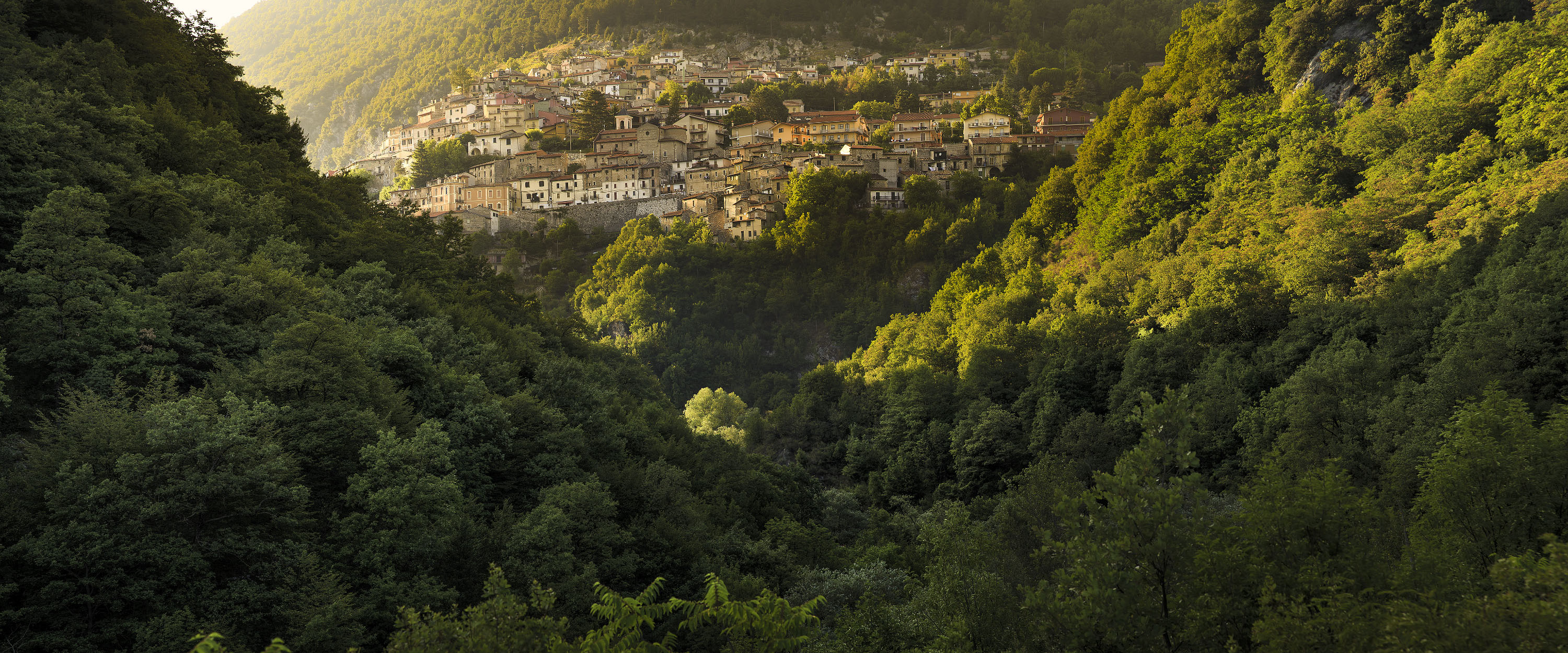
From the Main Square the lane goes on through a few houses of the ancient village and reaches the top of the Roman arch that lies underground. Nowadays it is very hard to fancy that place as a square, in fact, the existing street has taken up the whole space.
The present-day aspect has been the result of two main events: the 1915 earthquake and the opening of a new road to connect Capistrello to Filettino, during the Fascist period. They have completely changed its original configuration.
Continue Reading

The Cupone and Graziani bridge

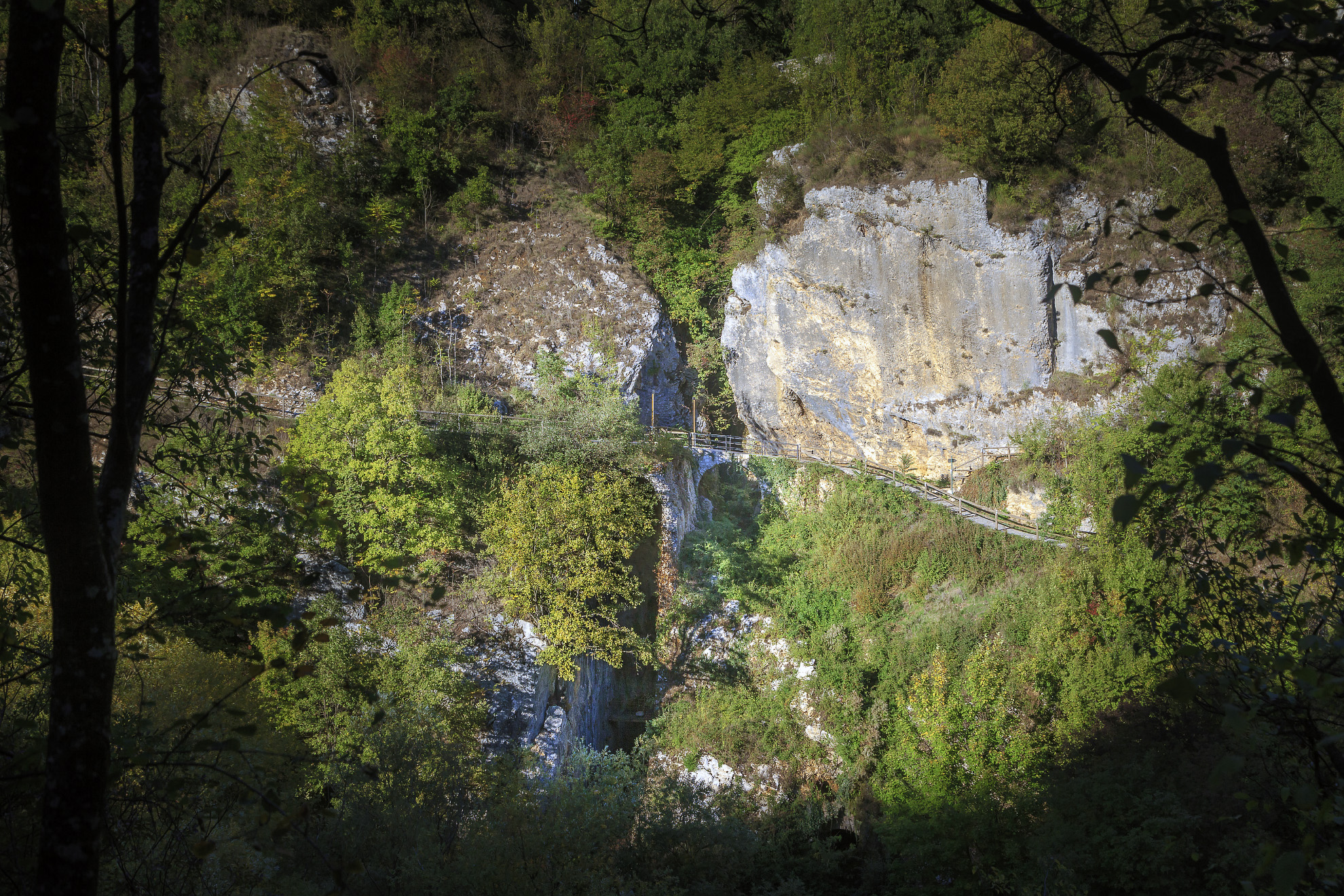
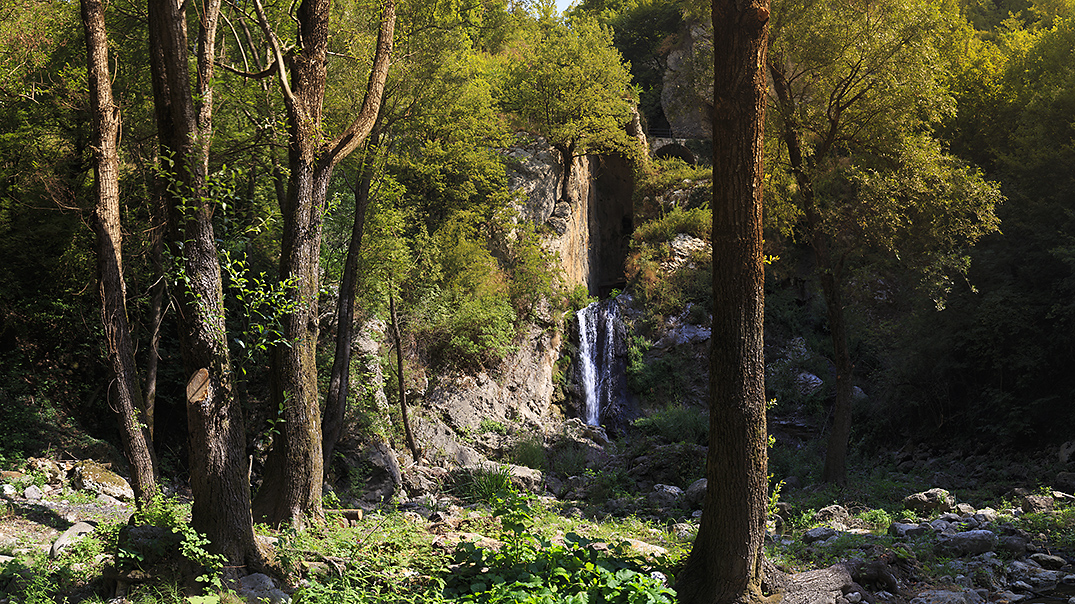
It is the narrowest place of the Liri valley, popularly called “Cupone”, the word means a deep and dark spot.

It is surrounded by sheer rock faces on both sides and by a thick vegetation of hornbeams, alders and willows.

Above the Cupone there are the big piers of Graziani Bridge, built in 1938 to open the road Simbruina that now connects Capistrello to the village of Filettino.

It was named after his promoter and accomplisher: the Marshal of Italy Rodolfo Graziani, born in Filettino.

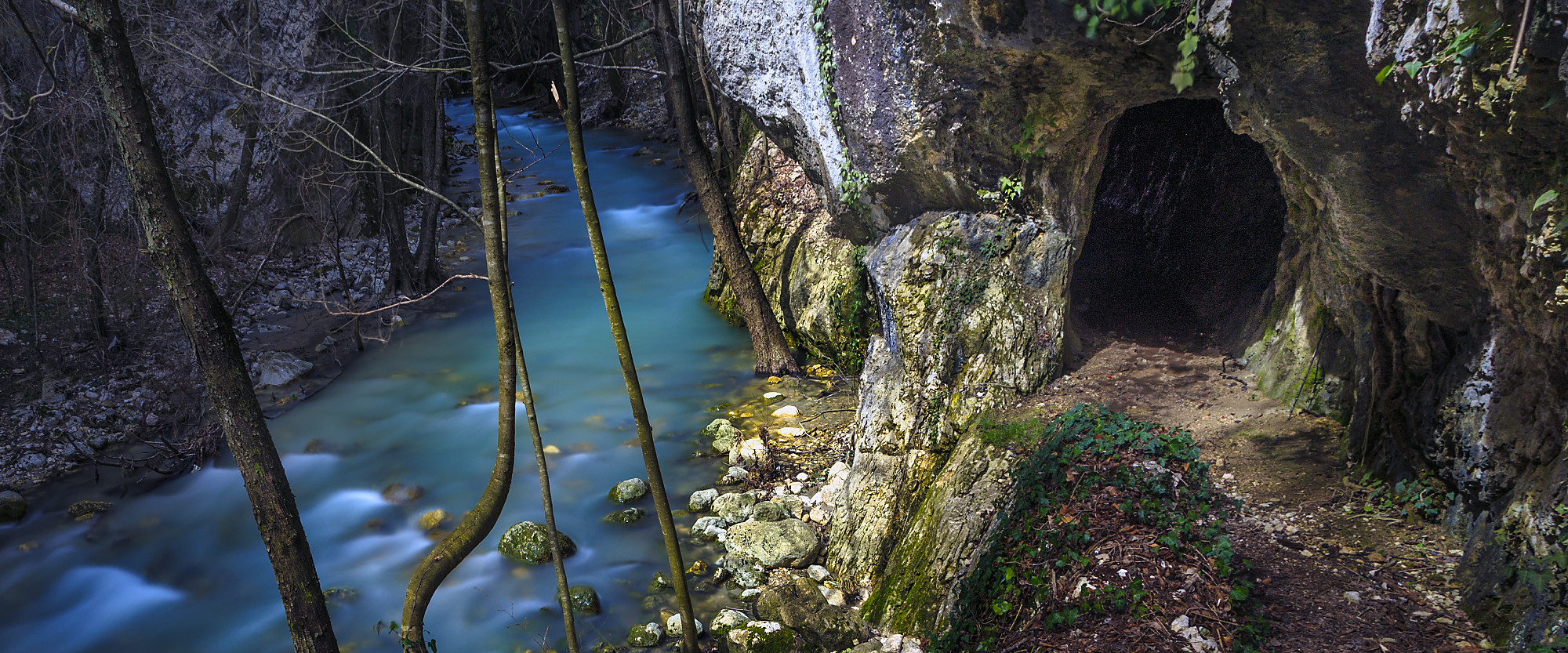
The outlet of the Roman Emperor Claudius’ tunnel

The outlet of the tunnel is situated in one of the narrowest and most remote place in the valley, well concealed by the riverside vegetation.

It is a framework made in “opus reticulatum” (a peculiar wall construction technique with litlle stone blocks diagonally placed). It has the shape of a very high arch that surrounds and defines the outlet of the tunnel.

Continue Reading

Storia dell'Emissario

La realizzazione di un emissario per “dare un’uscita al lago del Fucino” era nella mente di Giulio Cesare perché le acque che si accumulavano nel bacino del lago che non aveva un emissario naturale, si disperdevano attraverso cavità carsiche  insufficienti a mantenere il livello dell’acqua del lago; negli anni di abbondanti piogge, non garantivano la sicurezza delle terre coltivate nella zona intorno al lago.

Il progetto venne realizzato dopo molto tempo dall’imperatore Claudio; i lavori durarono 11 anni (41 -52 d.c.) e furono impiegati 30.000 operai. Le difficoltà tecniche furono enormi tanto che Plinio, che aveva visitato i cantieri del costruendo emissario, parla della grandezza dell’opera riferendo testualmente che “…tutti i lavori (sono) eseguiti sottoterra, nelle tenebre,  i quali non possono essere immaginati se non da quelli che li hanno visti, nè possono essere descritti con parole umane..”
Continue Reading

The waterfall

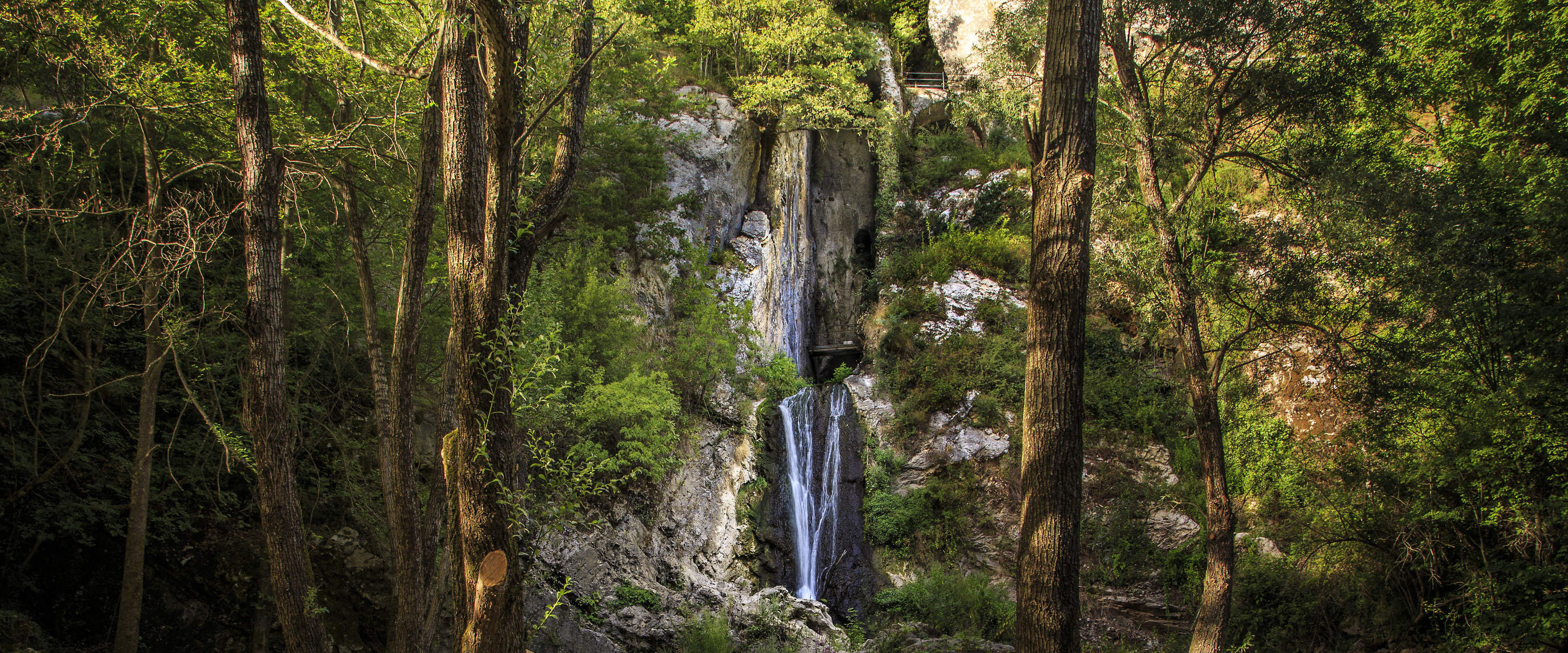
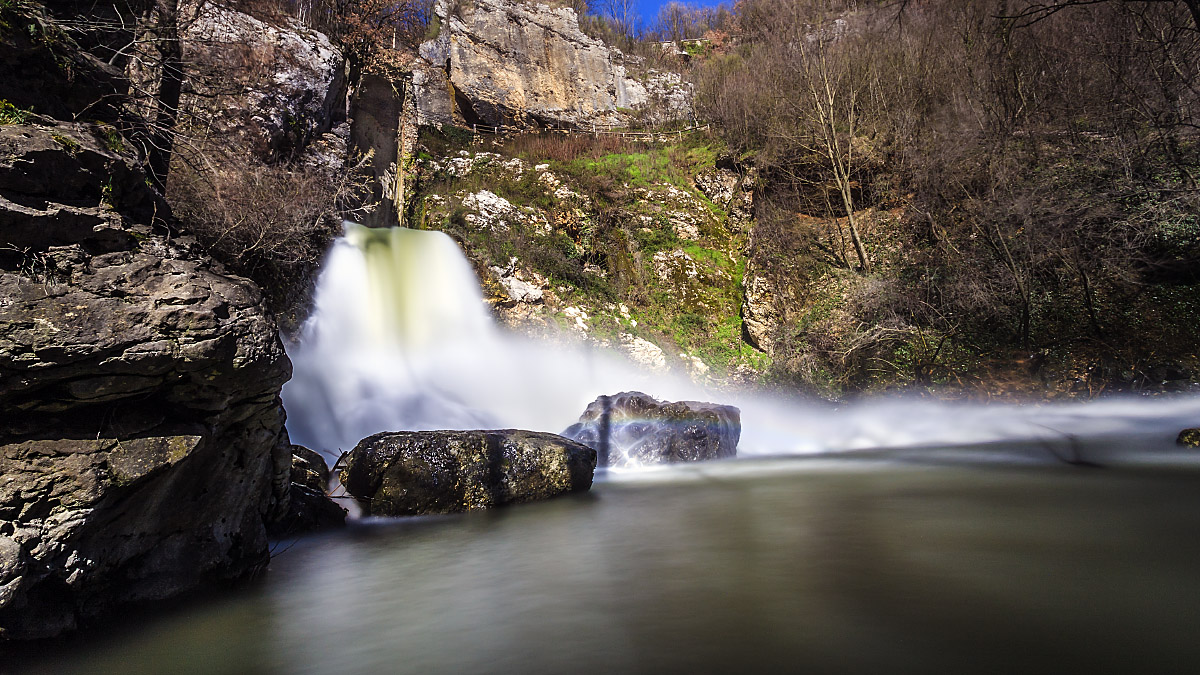
The waterfall (about 12m high) is the most extraordinary area of the whole river park.

Its shape changes unceasingly because of the flow of time and seasons.

Continue Reading

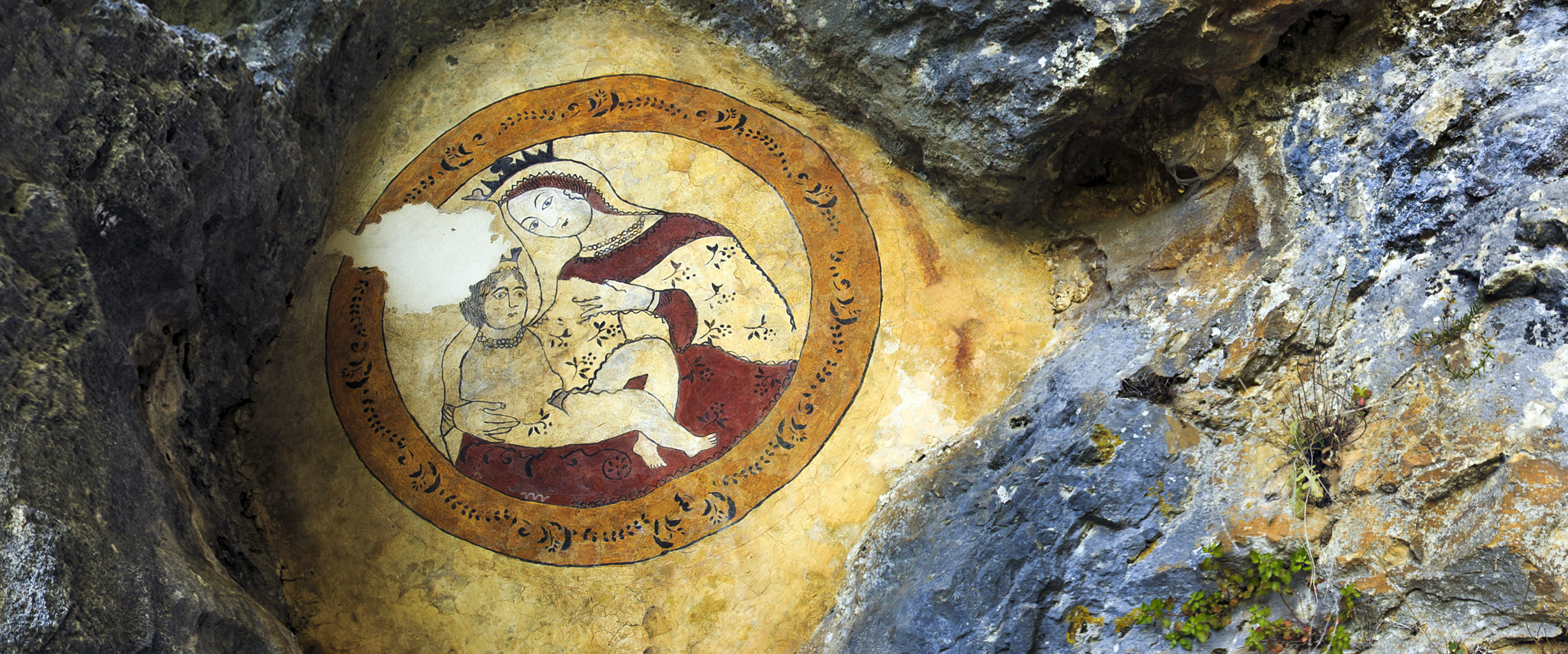
Our Lady of the Waterfall

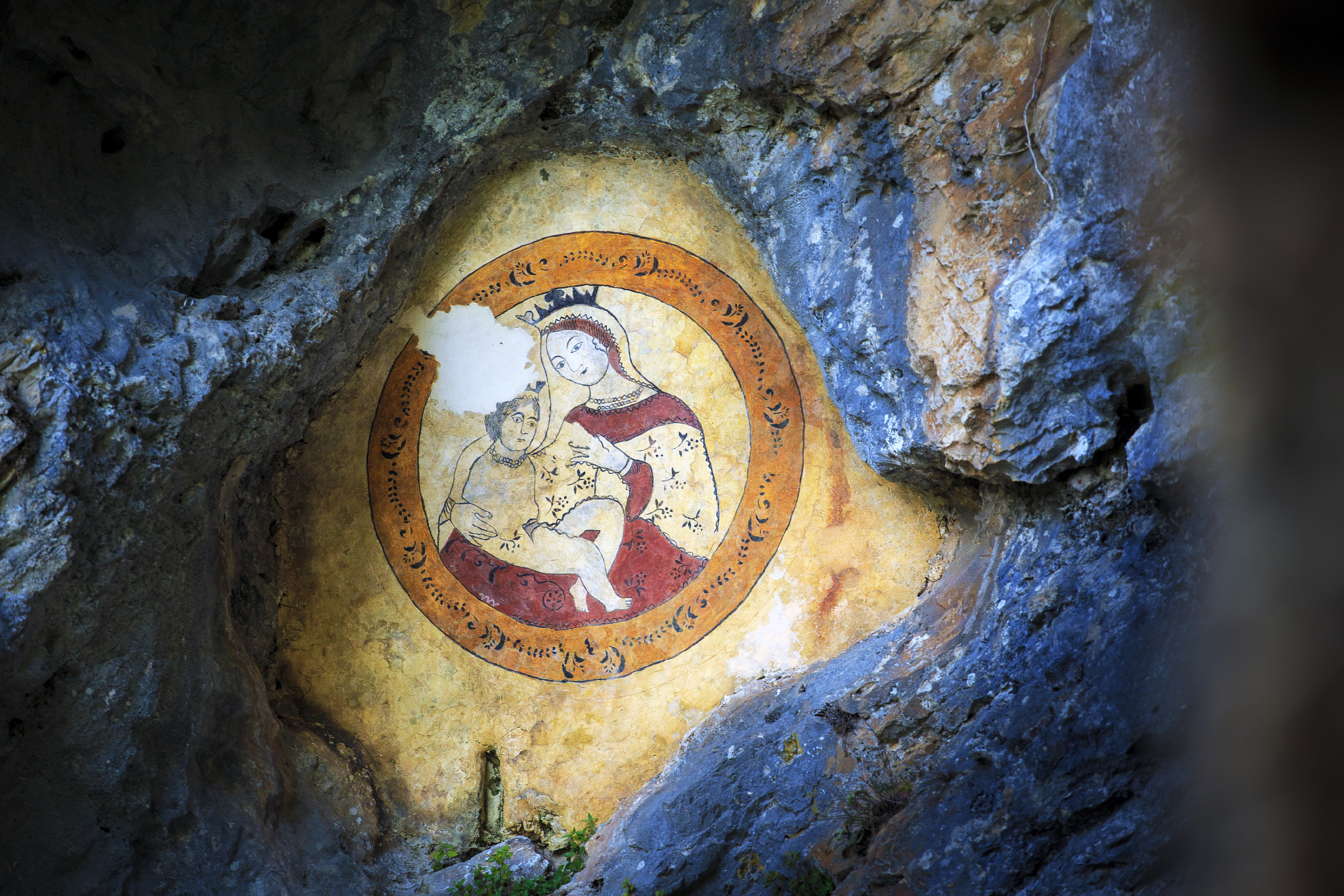
Painted on the rock there is a nestled and half–hidden fresco of Madonna with her Baby; unknown the date of the painting.

Oral tradition ascribes it to the desire of Alessandro Torlonia who wanted to dedicate a votive image to the Virgin Mary (because he had done the same thing at the inlet of the tunnel).

That fresco was restored in 2016 thanks to the efforts of the Lions Club Avezzano.


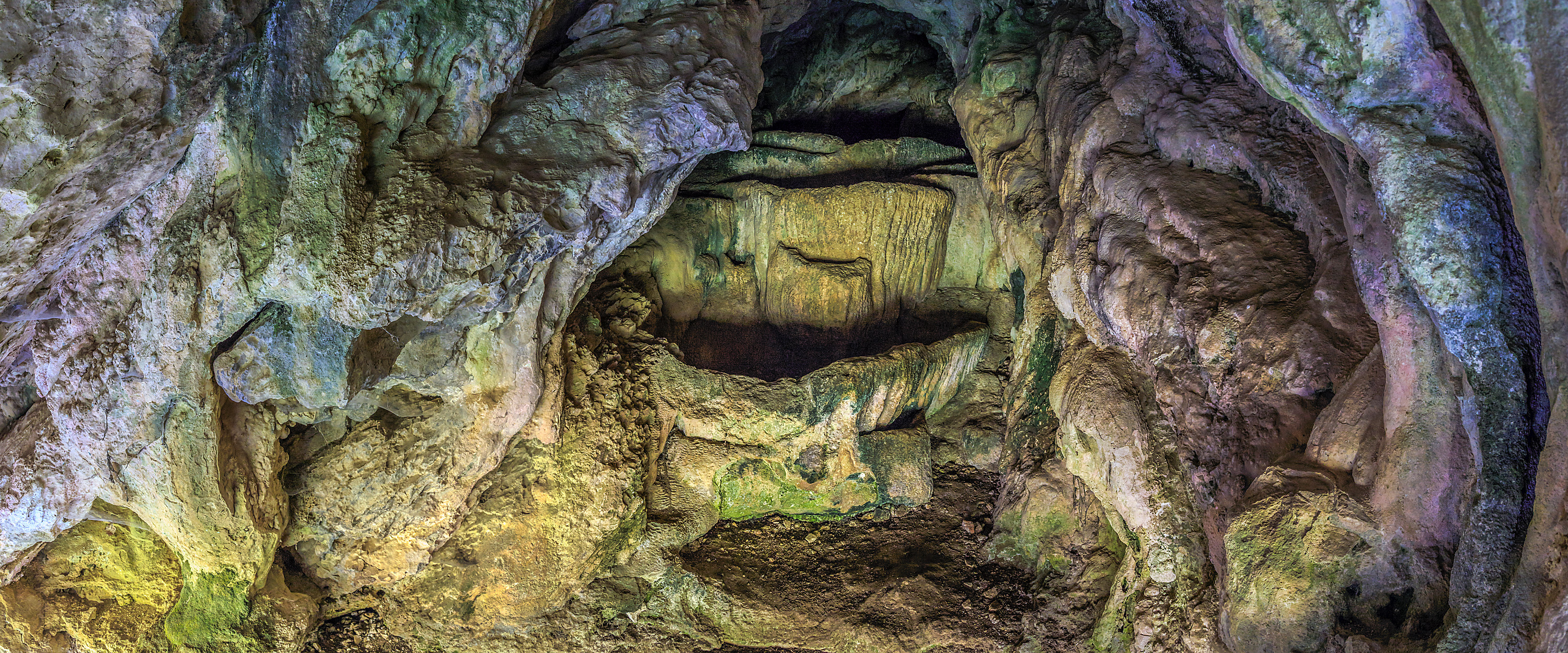
The cave of the "concarelle"

That is a small hollow: the outcome of a fossil upwelling.

It had been early portrayed in a cartography designed by Diego de Revillas in 1735 and belonging to the Diocesi dei Marsi.

Later it will be described  and reproduced in a topographical map designed by Carmelo Mancini and published in the Bullettino Archeologico Napoletano in 1859.

Continue Reading

Alessandro Torlonia's power plant

Soon after the draining of the lake, the Administration of A. Torlonia set up the exploitation of that very large area establishing the first plants, closely connected to the agricultural production of his estate: the sugar factory and the paper mill.

He had planned to build a small power plant to supply electric power to his factories.

Continue Reading

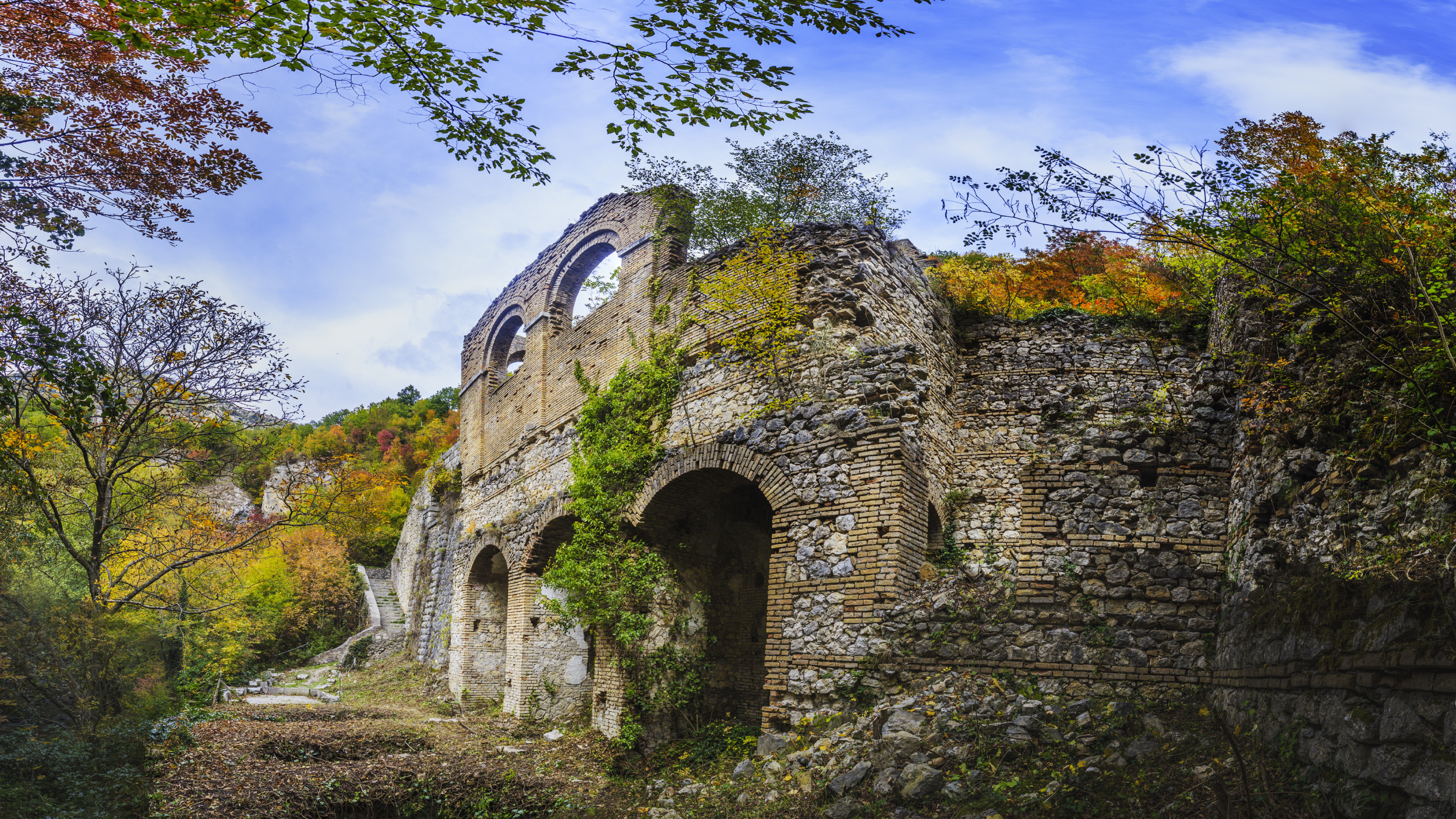
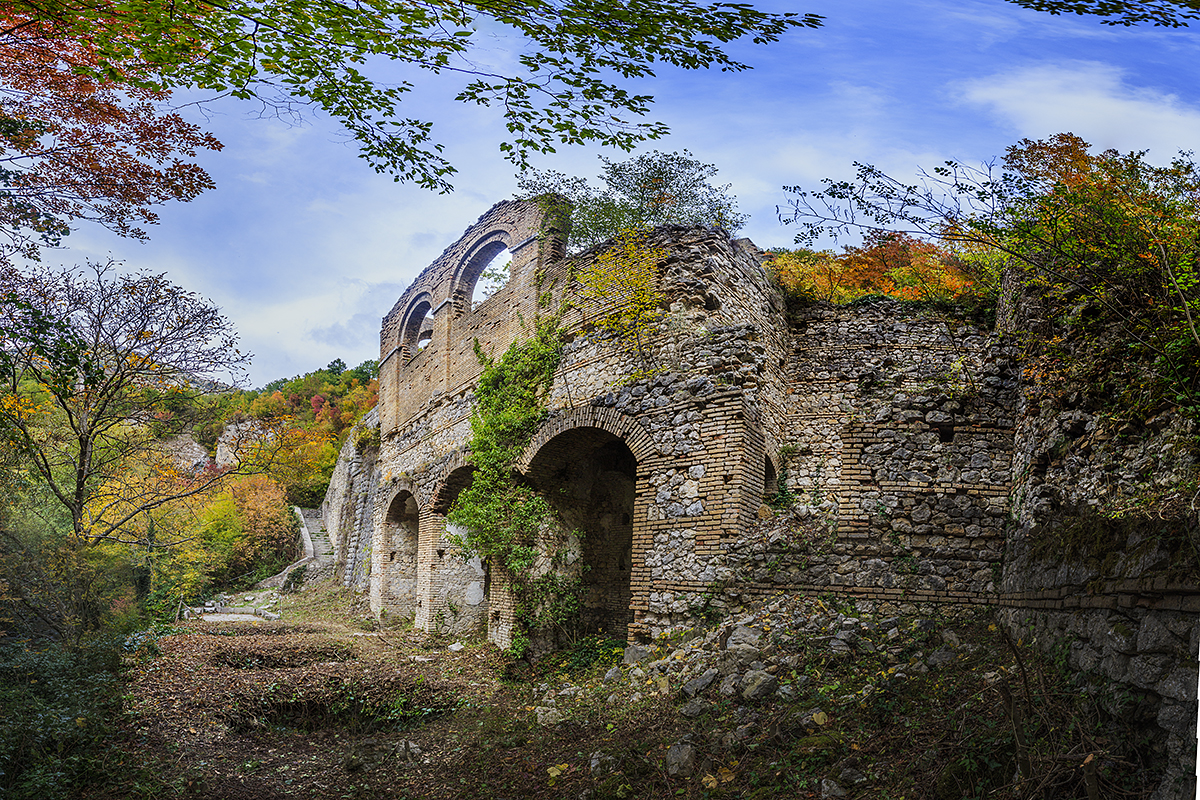
The ruins of the mill

The mill was built around 1810 after the abolition of feudality.

That enabled the village people to start industrial activities, till then restricted only to landowners.

Continue Reading

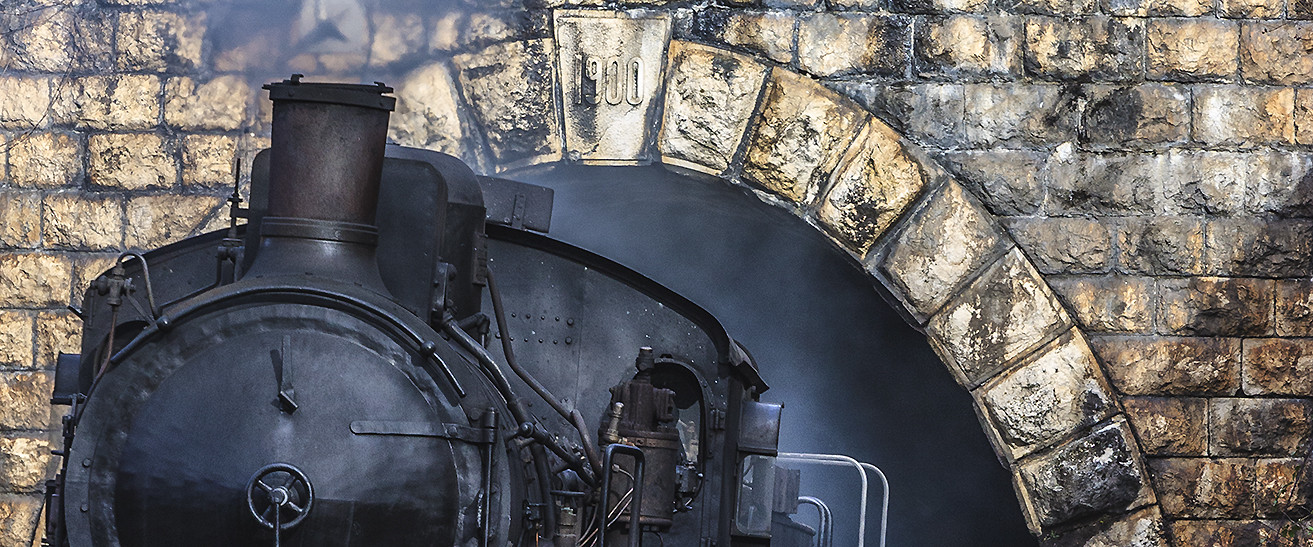
The helical railway of Capistrello

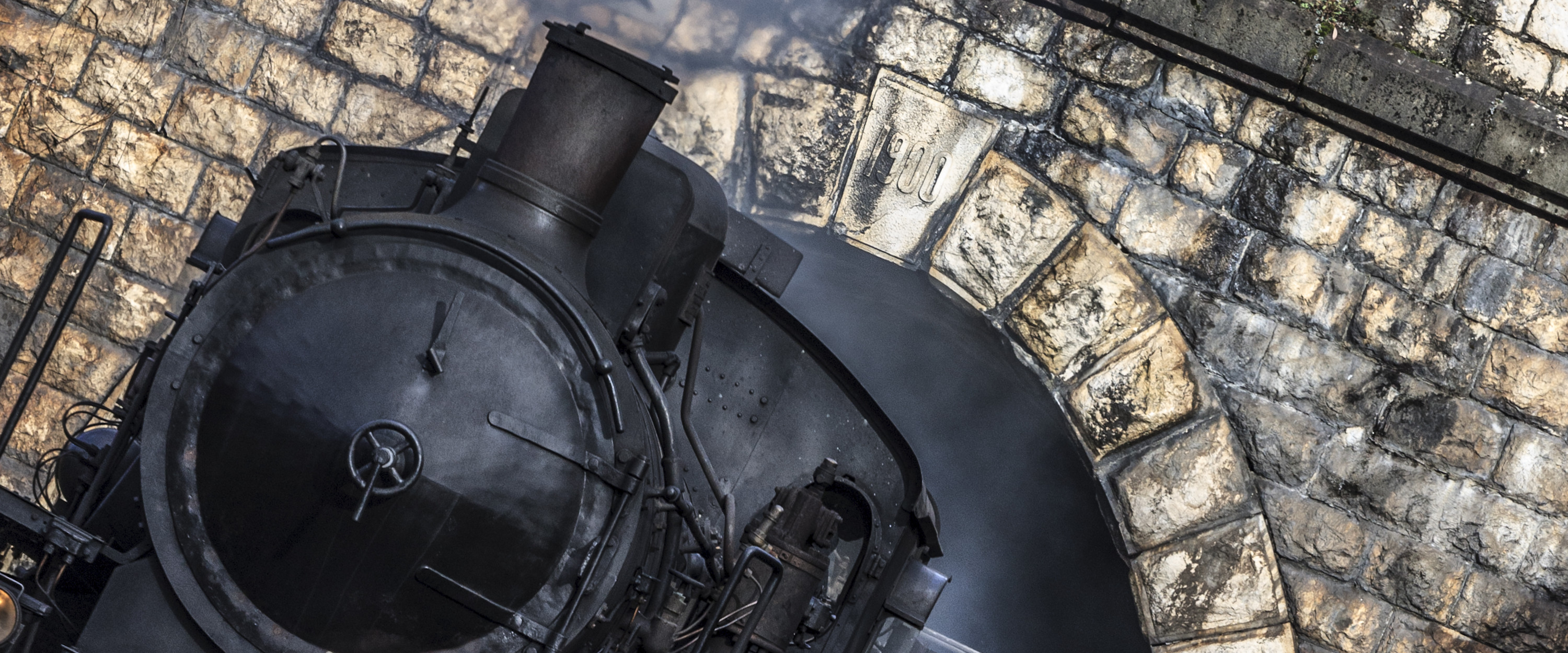
The Helical Railway of Capistrello, from Avezzano to Roccasecca, is certainly a great masterpiece of railway engineering.
It was carried out between 1877 and 1902, the  latter was the year of the opening ceremony of the last stretch from Balsorano to Avezzano, which had presented a lot of difficulties because of its altitude.

The engineer Ernesto Mangiarotti and the designer architects of the Rete Mediterranea (Mediterranean Rail Network) made out a U-route in spiral way, the gradient of which doesn’t exceed 25 per thousand (reduced to 20 per thousand in tunnels).

Continue Reading

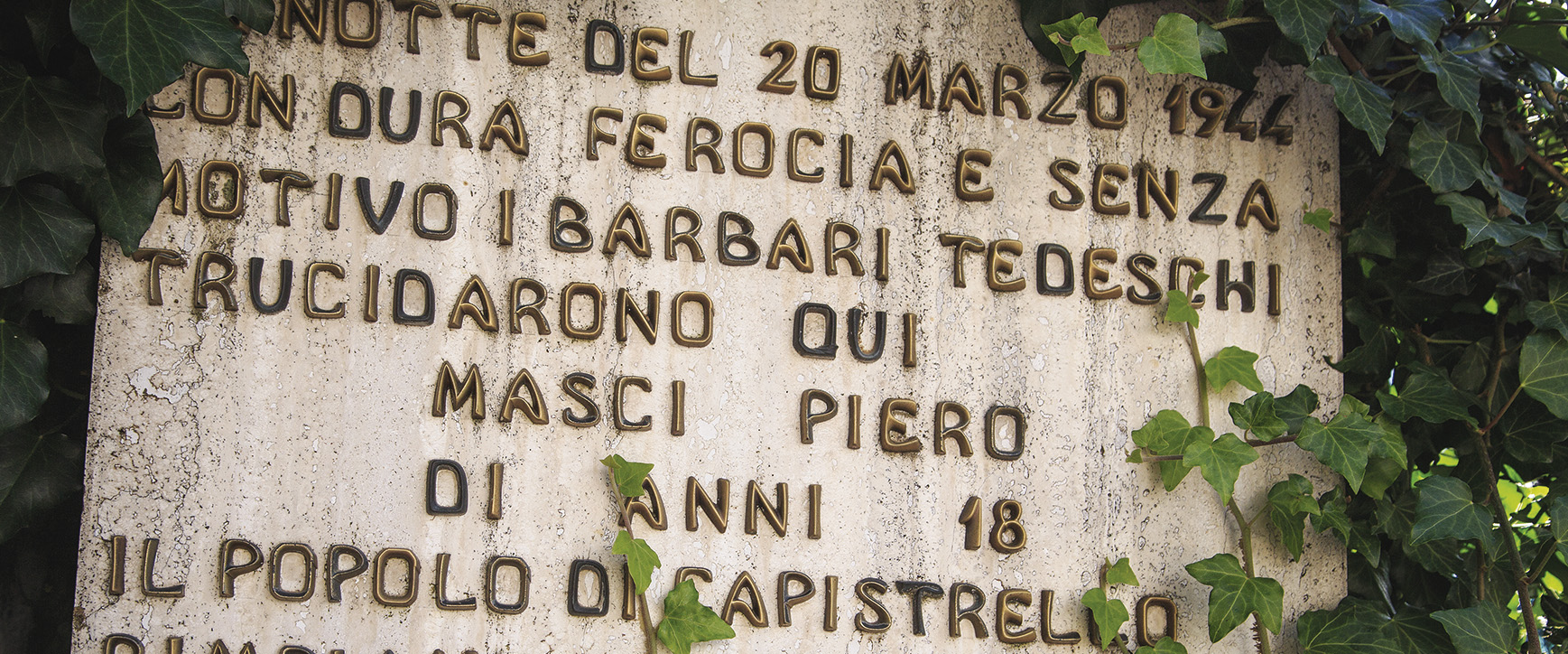
The monument to Piero Masci

Pietro Masci was born in Capistrello (Aq) on 25th June 1925 of Mr Augusto and Mrs Giovanna Di Domenico.

His family emigrated to Libia where his father, who was a stone mason, opened a stone quarry.

Continue Reading